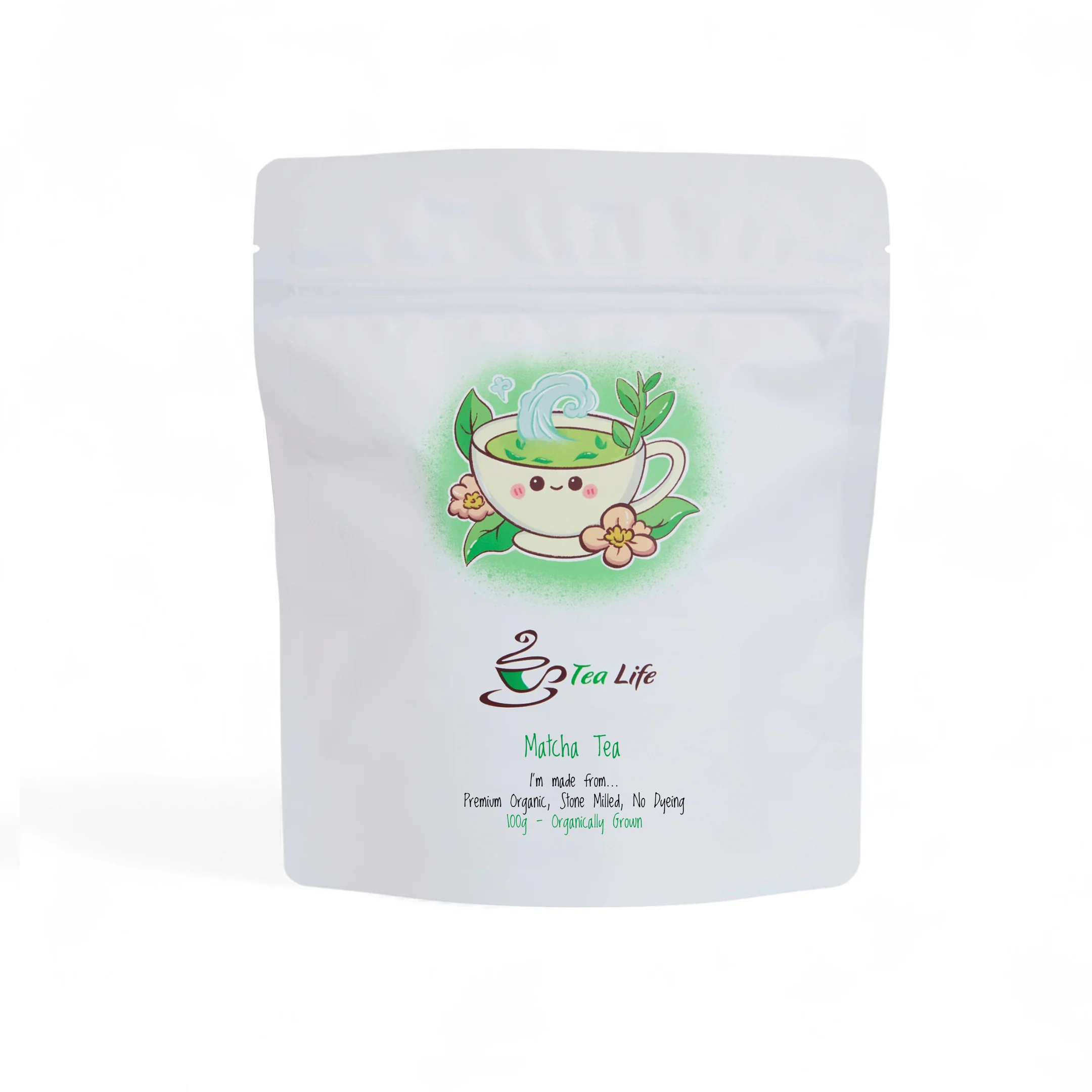
Matcha Tea
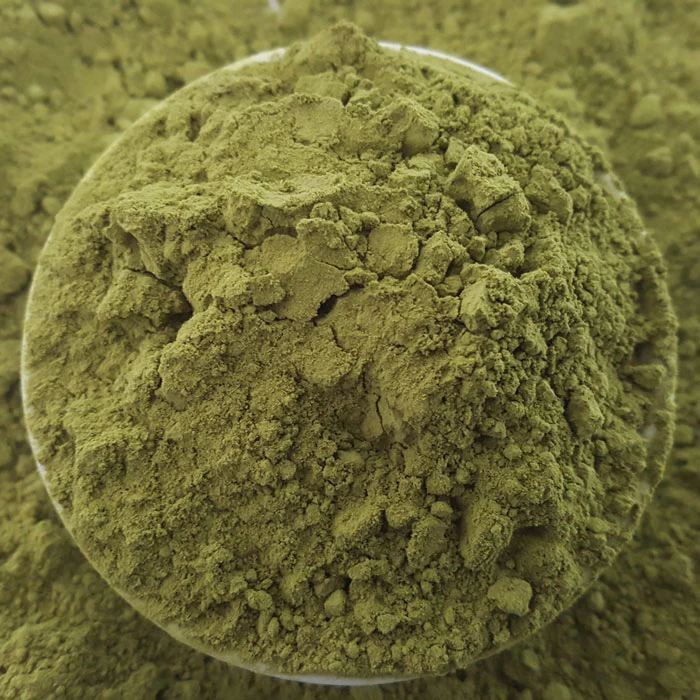
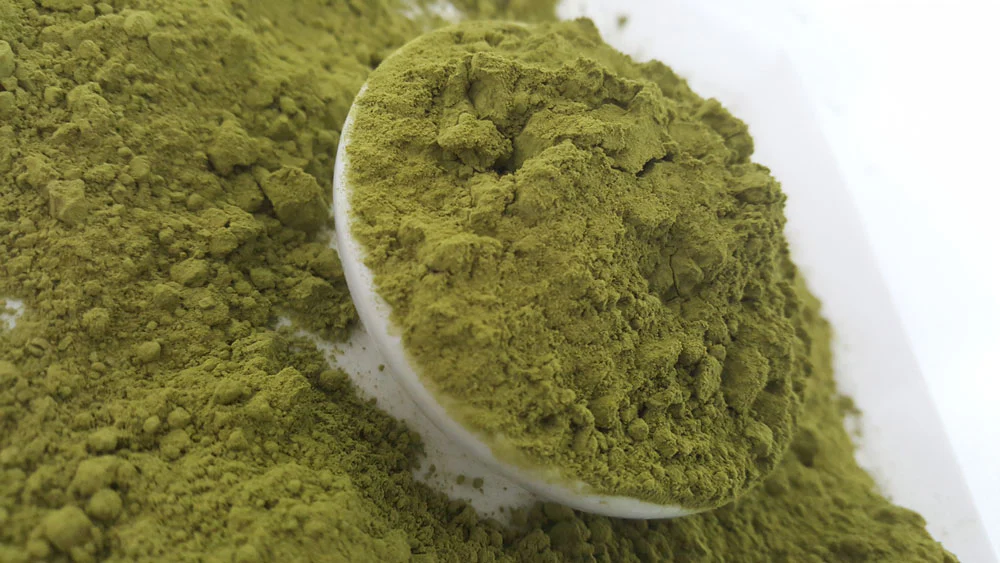
When you open a pouch of this bright green powder, the aroma smells like sun-warmed leaf buds.
This matcha tea is premium culinary-grade from Nishio, a revered village in Aichi Prefecture known for crafting some of Japan’s finest powdered teas using stone mills that whirr quietly for hours.
Curious sippers adore the way the flavour slips in lightly instead of crashing like an energy drink.
organically grown Japan
Matcha Grade & Versatility
This matcha sits comfortably in the high-end culinary tier, ideal for both sipping and whisking into lattes, desserts, and smoothies.
It’s a vibrant emerald hue, fine-textured, and naturally sweet, not bitter or dull like lower grades. Think café-quality results at home, without the ceremony.
Tea Lover's Guide to Nishio Green Tea
Nishio isn't just chasing tiny prize-winning batches. Growers there plant on workable acreage, so they land in the odd sweet spot where plenty meets perfection. The powder that rolls out is a bright green confetti, almost candy-smooth on the tongue. Baristas sneak it into frothy lattes, bakers fold it into butter, and plain drinkers whisk a teaspoon right into hot water.
-
Where it comes from: Nishio, Aichi-ken, Japan
-
Flavour profile: Smooth, mellow, and almost creamy, with grassy undertones and no bite. A subtle sweetness makes it delicious even when prepared with just water.
-
How to enjoy it:
-
Whisk into warm water for a calm, steady energy boost
-
Blend into breakfast bowls or shakes
-
Dust over yoghurt, pancakes or ice cream
-
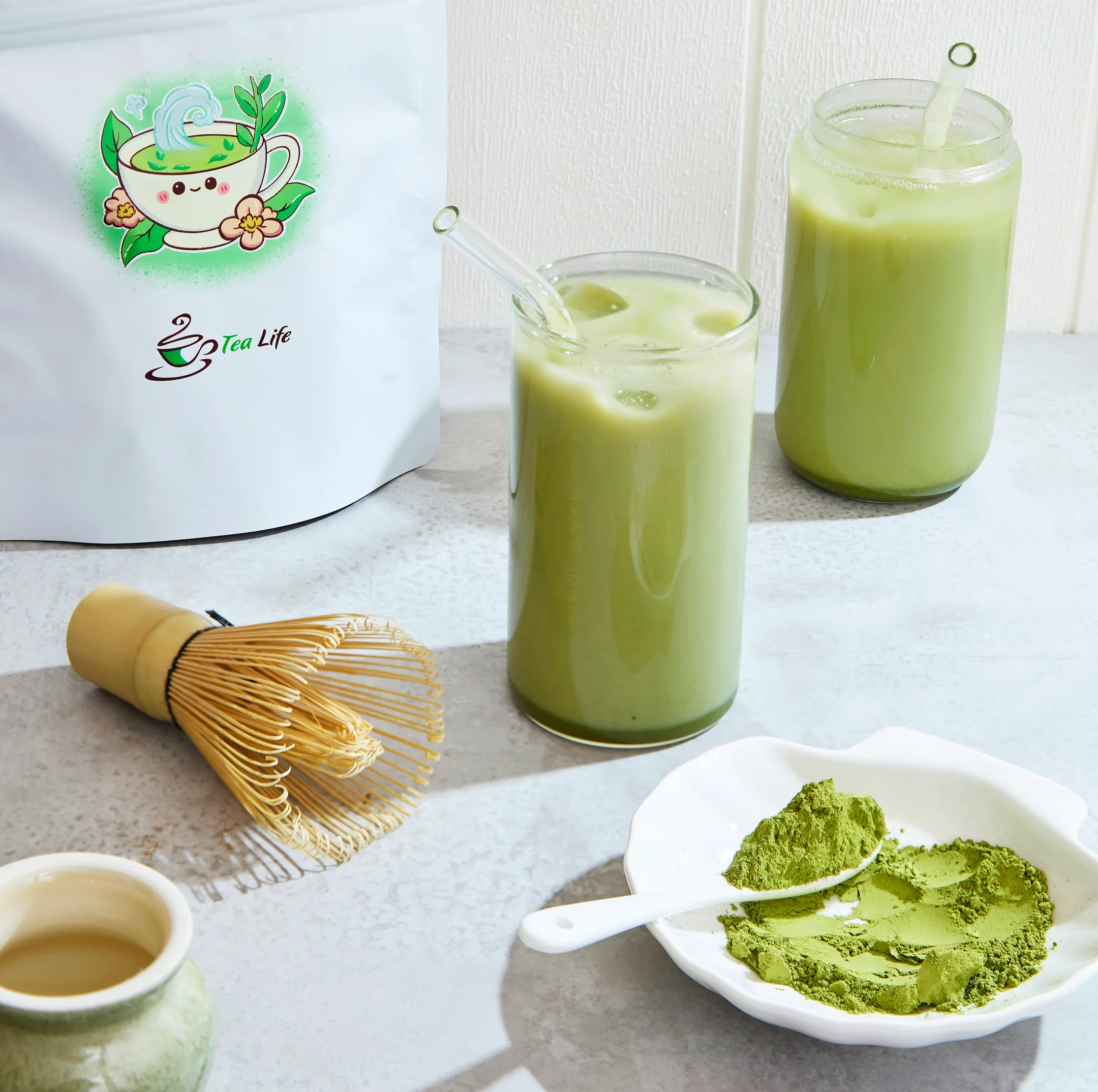
Shake with milk and honey for an iced matcha latte
-
Why Nishio?
Nishio’s fertile, well-drained soil and stable climate yield leaves rich in chlorophyll and L-theanine. Farmers shade the plants for weeks before harvest, enhancing the umami and smoothness. Then, slow-turning stone mills grind the leaves into a delicate powder, just 30g an hour preserving flavour and nutrients.
Nishio's cool nights and well-drained soil let the plants sip moisture without drowning. Because the climate never swings too far, the harvest tastes smooth, sweet, and almost creamy. Roughly one-fifth of all of Japan's powdered tea hails from these hills.
Explore beyond Nishio
Keen to wander plateaus of powder? Other Japanese hot-spots deserve a look.
-
Uji (Kyoto): History-soaked Uji still curls all its charm into bowls that lords sip during ceremony. Its umami rolls in thick, the colour pops like wet jade.
-
Shizuoka: Here the aroma tilts green-grass, and that grit makes the kitchen chef sing.
-
Kagoshima: Down south, newcomers toast leaves until a breezy floral taste winks back.
We don't carry leaves from every far-off garden just yet, but knowing a teas hometown can still frame your first sip in a richer story. Place and plant mingle in ways that surprise even seasoned drink-hunters.
Health Benefits of Matcha Tea
Rich in Antioxidants
Catechins in matcha are especially high in EGCG, which may prevent oxidative stress in cells.
Calm, Focused Energy
Matcha contains caffeine, but is tempered by L-theanine, which promotes calm alertness and minimizes jitteriness.
Metabolism and Weight Support
A few reports indicate that catechins in matcha may support healthy metabolism and fat oxidation in combination with diet and exercise.
Detoxifying Properties
Because it is consumed whole, matcha provides more chlorophyll than normal green tea and may support natural detox processes.
Supports Relaxation and Concentration
Matcha was traditionally taken by monks during meditation to help with mental clarity and concentration.
Traditional use & general green tea research * Based on traditional use and general green tea research. Not to be taken as medical advice.
Quick Brew, No Fancy Gear
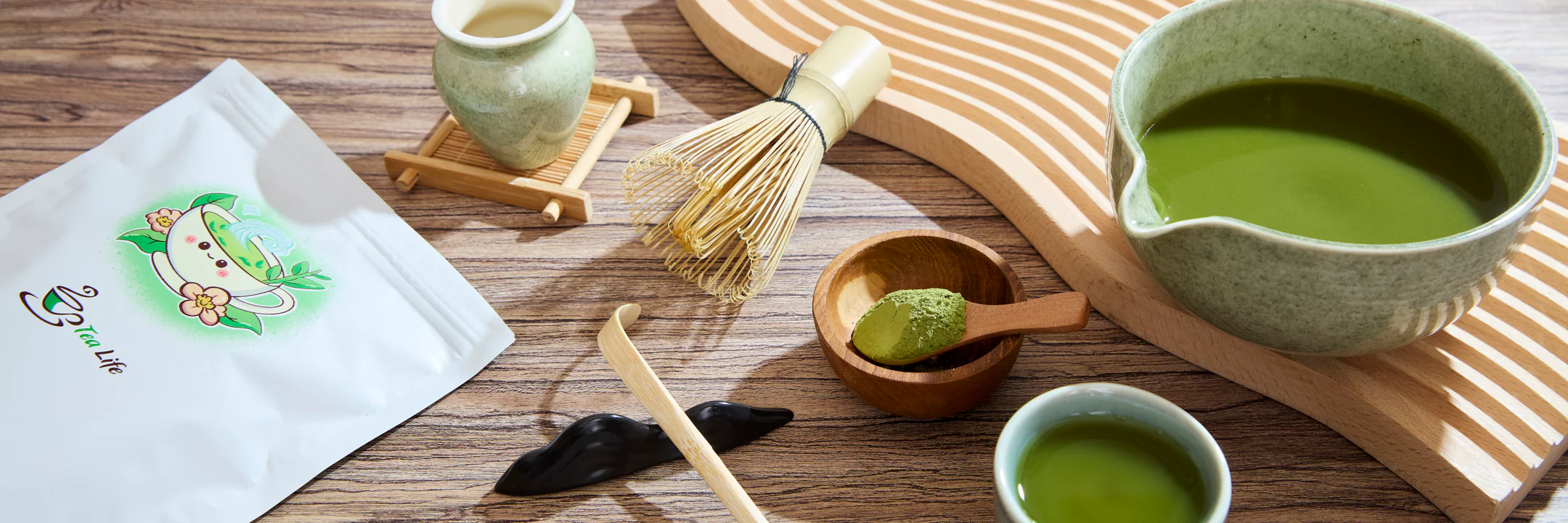
Real comfort comes in ease; no bamboo whisk or porcelain bowl is required. Follow these straight-forward steps to turn powder into pleasure.
One-Cup Method:
Measure half a teaspoon (roughly 1 gram) into your favorite mug.
Drizzle in a quick splash of water cooled to about 80C, crisp but not lava-hot.
Grab a spoon, tiny frother, or anything with a lid, then stir-or shake-until the powder disappears.
Fill the rest of the cup with plain water or creamy milk, letting the color bloom.
Sweeten if your taste buds ask; honey, maple, or nothing all work.
Drink it steaming or pour it over ice for an afternoon chill.
Cautionary Notes
Caffeine Rich - Matcha has more Caffeine than normal green tea when you drink the whole leaf powdered. Possible side effects in susceptible people include restlessness, insomnia, headache or digestive upset with excessive intake.
Caffeine - Should be moderated for and Breastfeeding.
Iron absorption - When taken with meals, tanins in green tea may lower iron Absorption. Drink matcha after meals.
Some medications interact with some others (blood thinners, stimulants). In case you have a medical issue or are taking prescribed medicine, speak with a doctor.
Original: $2,130.73
-70%$2,130.73
$639.22Product Information
Product Information
Shipping & Returns
Shipping & Returns
Description
When you open a pouch of this bright green powder, the aroma smells like sun-warmed leaf buds.
This matcha tea is premium culinary-grade from Nishio, a revered village in Aichi Prefecture known for crafting some of Japan’s finest powdered teas using stone mills that whirr quietly for hours.
Curious sippers adore the way the flavour slips in lightly instead of crashing like an energy drink.
organically grown Japan
Matcha Grade & Versatility
This matcha sits comfortably in the high-end culinary tier, ideal for both sipping and whisking into lattes, desserts, and smoothies.
It’s a vibrant emerald hue, fine-textured, and naturally sweet, not bitter or dull like lower grades. Think café-quality results at home, without the ceremony.
Tea Lover's Guide to Nishio Green Tea
Nishio isn't just chasing tiny prize-winning batches. Growers there plant on workable acreage, so they land in the odd sweet spot where plenty meets perfection. The powder that rolls out is a bright green confetti, almost candy-smooth on the tongue. Baristas sneak it into frothy lattes, bakers fold it into butter, and plain drinkers whisk a teaspoon right into hot water.
-
Where it comes from: Nishio, Aichi-ken, Japan
-
Flavour profile: Smooth, mellow, and almost creamy, with grassy undertones and no bite. A subtle sweetness makes it delicious even when prepared with just water.
-
How to enjoy it:
-
Whisk into warm water for a calm, steady energy boost
-
Blend into breakfast bowls or shakes
-
Dust over yoghurt, pancakes or ice cream
-
Shake with milk and honey for an iced matcha latte
-
Why Nishio?
Nishio’s fertile, well-drained soil and stable climate yield leaves rich in chlorophyll and L-theanine. Farmers shade the plants for weeks before harvest, enhancing the umami and smoothness. Then, slow-turning stone mills grind the leaves into a delicate powder, just 30g an hour preserving flavour and nutrients.
Nishio's cool nights and well-drained soil let the plants sip moisture without drowning. Because the climate never swings too far, the harvest tastes smooth, sweet, and almost creamy. Roughly one-fifth of all of Japan's powdered tea hails from these hills.
Explore beyond Nishio
Keen to wander plateaus of powder? Other Japanese hot-spots deserve a look.
-
Uji (Kyoto): History-soaked Uji still curls all its charm into bowls that lords sip during ceremony. Its umami rolls in thick, the colour pops like wet jade.
-
Shizuoka: Here the aroma tilts green-grass, and that grit makes the kitchen chef sing.
-
Kagoshima: Down south, newcomers toast leaves until a breezy floral taste winks back.
We don't carry leaves from every far-off garden just yet, but knowing a teas hometown can still frame your first sip in a richer story. Place and plant mingle in ways that surprise even seasoned drink-hunters.
Health Benefits of Matcha Tea
Rich in Antioxidants
Catechins in matcha are especially high in EGCG, which may prevent oxidative stress in cells.
Calm, Focused Energy
Matcha contains caffeine, but is tempered by L-theanine, which promotes calm alertness and minimizes jitteriness.
Metabolism and Weight Support
A few reports indicate that catechins in matcha may support healthy metabolism and fat oxidation in combination with diet and exercise.
Detoxifying Properties
Because it is consumed whole, matcha provides more chlorophyll than normal green tea and may support natural detox processes.
Supports Relaxation and Concentration
Matcha was traditionally taken by monks during meditation to help with mental clarity and concentration.
Traditional use & general green tea research * Based on traditional use and general green tea research. Not to be taken as medical advice.
Quick Brew, No Fancy Gear
Real comfort comes in ease; no bamboo whisk or porcelain bowl is required. Follow these straight-forward steps to turn powder into pleasure.
One-Cup Method:
Measure half a teaspoon (roughly 1 gram) into your favorite mug.
Drizzle in a quick splash of water cooled to about 80C, crisp but not lava-hot.
Grab a spoon, tiny frother, or anything with a lid, then stir-or shake-until the powder disappears.
Fill the rest of the cup with plain water or creamy milk, letting the color bloom.
Sweeten if your taste buds ask; honey, maple, or nothing all work.
Drink it steaming or pour it over ice for an afternoon chill.
Cautionary Notes
Caffeine Rich - Matcha has more Caffeine than normal green tea when you drink the whole leaf powdered. Possible side effects in susceptible people include restlessness, insomnia, headache or digestive upset with excessive intake.
Caffeine - Should be moderated for and Breastfeeding.
Iron absorption - When taken with meals, tanins in green tea may lower iron Absorption. Drink matcha after meals.
Some medications interact with some others (blood thinners, stimulants). In case you have a medical issue or are taking prescribed medicine, speak with a doctor.