Goodnight Sleeping Tea
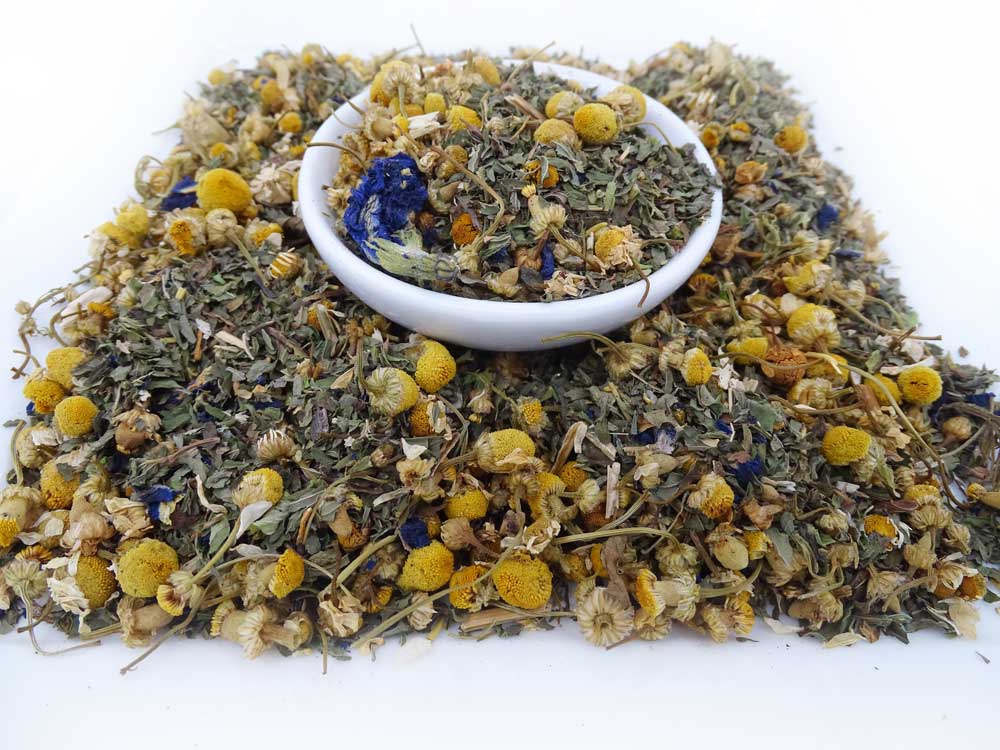
Goodnight Sleeping Tea is a light, bedtime herbal blend.
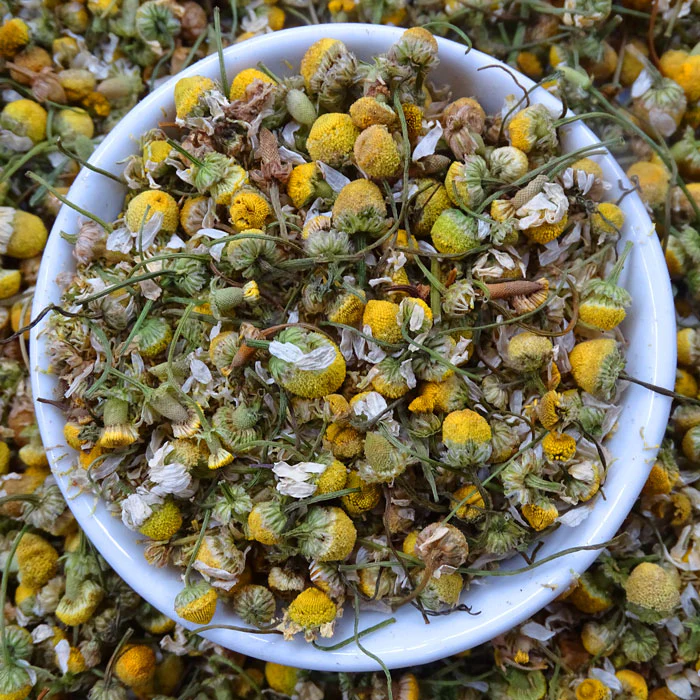
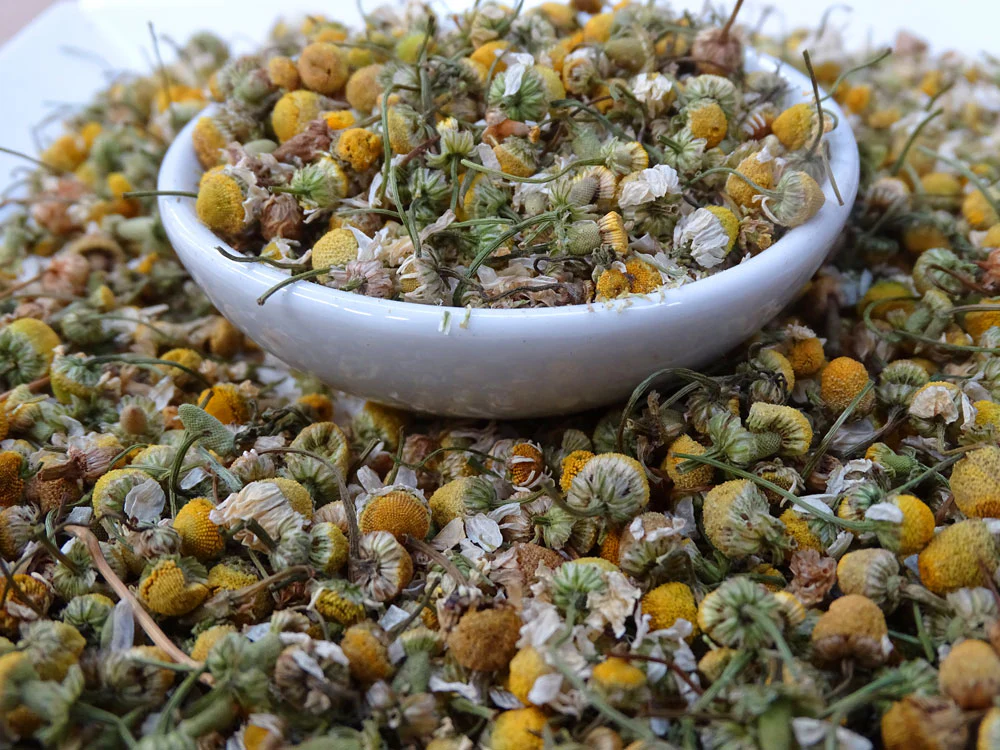
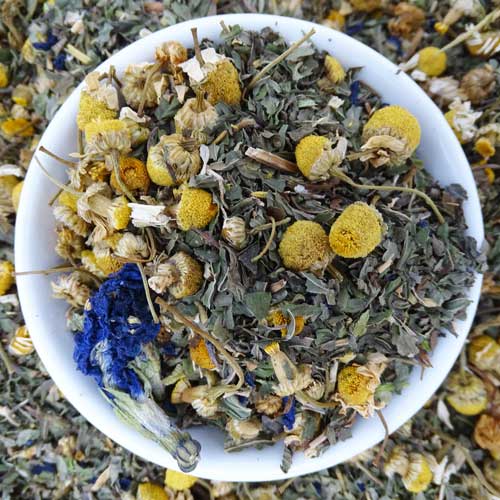
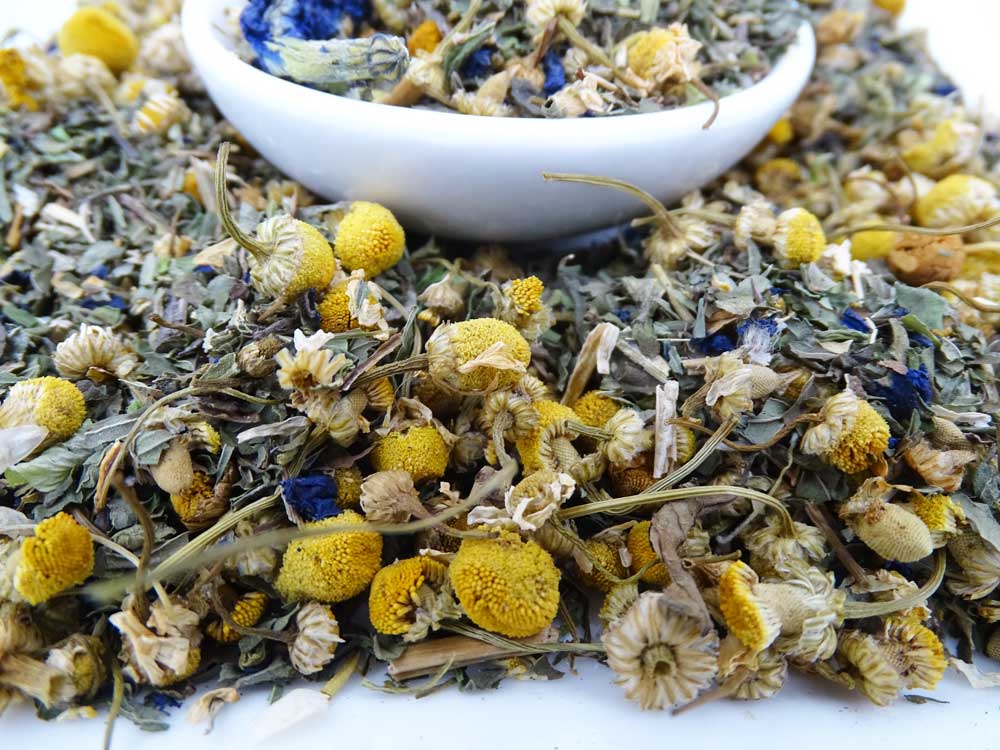
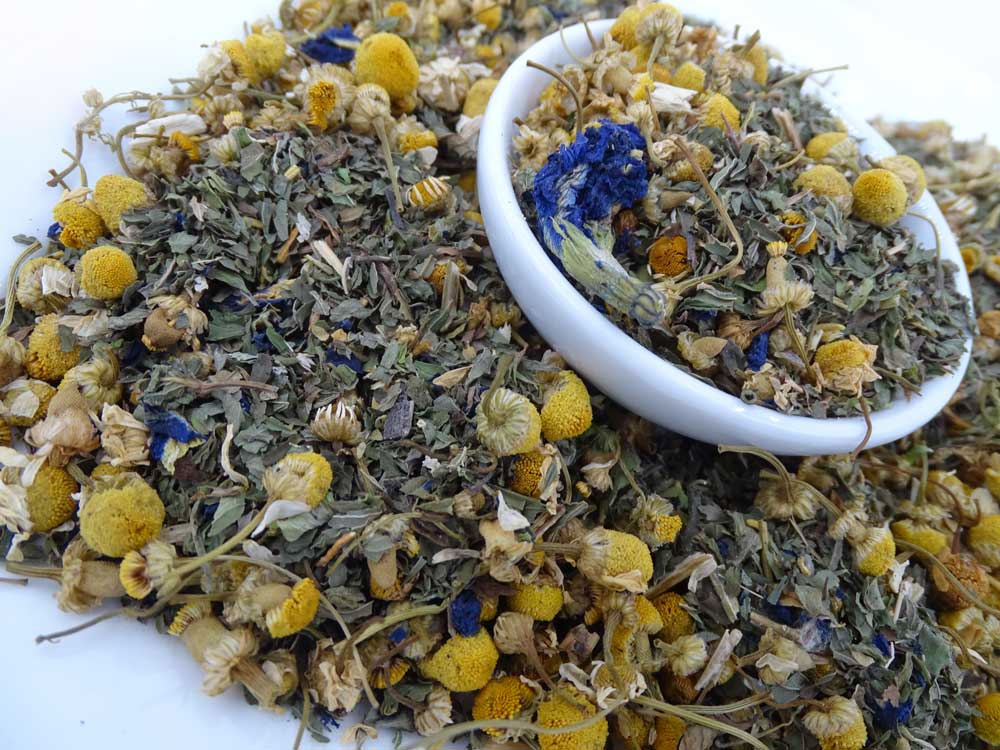
It combines soft, apple-honey notes of chamomile with lemony brightness from lemongrass and a cool lift of peppermint, followed by classic calming herbs - lemon balm (Melissa) and passionflower - with a hint of garden thyme and rosemary for a soft herbaceous finish.
Blue peaflower makes a sapphire color when brewed, which indicates "evening mode" when it hits the cup. Like single-herb night teas, it balances aroma, flavour and function: florals & mints refresh after dinner, and the traditional relaxing herbs help prepare for a peaceful pre-sleep ritual.
Brew warm 30-60 minutes before bedtime, sip slowly and let steam carry the herb aromas - some find the unhurried brewing part of the benefit.
It has zero calories, can be drunk straight or as a lightly sweetened iced infusion on warm nights when you still need a good, slow drift into sleep.
organically grown various origins
Flavour and Aroma
Quite delicate, lemony with cool peppermint top notes; Mid-palate: mellow herb garden; clean, comforting finish.
Ingredients
Chamomile / Lemongrass / Peppermint / Melissa / Lemon Balm / Thyme / Passionflower / Rosemary / Blue Peaflower.
Botanical name
Mentha x piperita (peppermint), Melissa officinalis (lemon balm), Passiflora incarnata (passionflower), Salvia Rosmarinus - formerly rosmarinus officinalis; Clitoria ternatea (blue peaflower)
Caffeine level
Naturally caffeine-free.
How to brew
Western style -2-3 g (about 1 tsp) in 250 ml at 95 degC. Steep for 5-7 minutes; strain.
Gongfu style: 5 g in a 120-150 ml pot, 95 degC; infusion 25-30 sec, rounds 10-15 sec each.
Iced / Cold brew - 8-10 g in 1 L. Cold steep 6-8 hours in fridge (or hot brew 7 minutes, flash chill). Optional: a dash of honey.
When to drink
After dinner & 30-60 minutes before bedtime; also ideal as a late-evening, caffein free wind-down.
Health Benefits
Chamomile & sleep quality: Clinical evidence (including a postpartum RCT) suggests chamomile tea can modestly improve sleep quality in the short term; a recent systematic review concludes effects are small but supportive for relaxation and sleep hygiene. National Cheng Kung UniversityScienceDirect
Passionflower for subjective sleep: A double-blind, placebo-controlled trial of Passiflora incarnata herbal tea reported improved subjective sleep quality in healthy adults over one week. Monash ResearchMiloa Academy
Lemon balm (Melissa) & mood/sleep complaints: Randomised trials and reviews indicate Melissa officinalis can reduce anxiety and insomnia severity in certain groups, aligning with its traditional calmative use. BioMed CentralScienceDirect
Digestive ease to aid wind-down: Peppermint’s antispasmodic action is supported for functional gut discomfort (not specific to tea; mostly enteric-coated oil trials), which some find helpful after the evening meal. BioMed Central
Thyme & respiratory comfort (traditional): EMA monographs recognise thyme herb preparations for traditional use in mild cough/bronchial irritation—useful when a soothing, warm cup aids bedtime comfort. European Medicines Agency (EMA)+1
Blue peaflower antioxidants: A crossover human study found a Clitoria ternatea beverage increased antioxidant capacity and favourably affected postprandial glycaemia; not a sleep effect, but supportive of the blend’s gentle wellness profile. BioMed CentralMahidol University
Health-related notes (general)
This is general information only - not medical advice. If you are ill or take medicines, ask a healthcare professional before using.
Cautionary
Eliminate if allergic to Asteraceae (chamomile) or Lamiaceae herbs (mint, thyme, rosemary).
Calming herbs may increase drowsiness; therefore, do not take with sedatives nor alcohol before performing an activity requiring alertness, such as driving.
If sensitive to peppermint, use shorter steeps. Lemon balm might interact with thyroid medications. Discuss with your clinician.
Patients with gallbladder, liver and / or major GI problems should seek advice.
Not for use during pregnancy or breastfeeding without professional guidance.
In children, avoid unless advised by a health professional.
Storage and Shelf Life
Keep cool, out of light, heat and moisture. Best when opened within 24 months; eat within 12 months of opening.
Quick FAQs
Will this make me sleepy?
Others find it calming. Effects are generally light - rather than sedative.
What makes it blue?
Blue peaflower colours the liquor naturally; A squeeze of lemon makes it purple.
May I sweeten it?
A little honey can be added after brewing.
So when do I drink?
Some say 30-60 minutes before bedtime is sufficient.
Original: $1,420.49
-70%$1,420.49
$426.15Product Information
Product Information
Shipping & Returns
Shipping & Returns
Description
Goodnight Sleeping Tea is a light, bedtime herbal blend.
It combines soft, apple-honey notes of chamomile with lemony brightness from lemongrass and a cool lift of peppermint, followed by classic calming herbs - lemon balm (Melissa) and passionflower - with a hint of garden thyme and rosemary for a soft herbaceous finish.
Blue peaflower makes a sapphire color when brewed, which indicates "evening mode" when it hits the cup. Like single-herb night teas, it balances aroma, flavour and function: florals & mints refresh after dinner, and the traditional relaxing herbs help prepare for a peaceful pre-sleep ritual.
Brew warm 30-60 minutes before bedtime, sip slowly and let steam carry the herb aromas - some find the unhurried brewing part of the benefit.
It has zero calories, can be drunk straight or as a lightly sweetened iced infusion on warm nights when you still need a good, slow drift into sleep.
organically grown various origins
Flavour and Aroma
Quite delicate, lemony with cool peppermint top notes; Mid-palate: mellow herb garden; clean, comforting finish.
Ingredients
Chamomile / Lemongrass / Peppermint / Melissa / Lemon Balm / Thyme / Passionflower / Rosemary / Blue Peaflower.
Botanical name
Mentha x piperita (peppermint), Melissa officinalis (lemon balm), Passiflora incarnata (passionflower), Salvia Rosmarinus - formerly rosmarinus officinalis; Clitoria ternatea (blue peaflower)
Caffeine level
Naturally caffeine-free.
How to brew
Western style -2-3 g (about 1 tsp) in 250 ml at 95 degC. Steep for 5-7 minutes; strain.
Gongfu style: 5 g in a 120-150 ml pot, 95 degC; infusion 25-30 sec, rounds 10-15 sec each.
Iced / Cold brew - 8-10 g in 1 L. Cold steep 6-8 hours in fridge (or hot brew 7 minutes, flash chill). Optional: a dash of honey.
When to drink
After dinner & 30-60 minutes before bedtime; also ideal as a late-evening, caffein free wind-down.
Health Benefits
Chamomile & sleep quality: Clinical evidence (including a postpartum RCT) suggests chamomile tea can modestly improve sleep quality in the short term; a recent systematic review concludes effects are small but supportive for relaxation and sleep hygiene. National Cheng Kung UniversityScienceDirect
Passionflower for subjective sleep: A double-blind, placebo-controlled trial of Passiflora incarnata herbal tea reported improved subjective sleep quality in healthy adults over one week. Monash ResearchMiloa Academy
Lemon balm (Melissa) & mood/sleep complaints: Randomised trials and reviews indicate Melissa officinalis can reduce anxiety and insomnia severity in certain groups, aligning with its traditional calmative use. BioMed CentralScienceDirect
Digestive ease to aid wind-down: Peppermint’s antispasmodic action is supported for functional gut discomfort (not specific to tea; mostly enteric-coated oil trials), which some find helpful after the evening meal. BioMed Central
Thyme & respiratory comfort (traditional): EMA monographs recognise thyme herb preparations for traditional use in mild cough/bronchial irritation—useful when a soothing, warm cup aids bedtime comfort. European Medicines Agency (EMA)+1
Blue peaflower antioxidants: A crossover human study found a Clitoria ternatea beverage increased antioxidant capacity and favourably affected postprandial glycaemia; not a sleep effect, but supportive of the blend’s gentle wellness profile. BioMed CentralMahidol University
Health-related notes (general)
This is general information only - not medical advice. If you are ill or take medicines, ask a healthcare professional before using.
Cautionary
Eliminate if allergic to Asteraceae (chamomile) or Lamiaceae herbs (mint, thyme, rosemary).
Calming herbs may increase drowsiness; therefore, do not take with sedatives nor alcohol before performing an activity requiring alertness, such as driving.
If sensitive to peppermint, use shorter steeps. Lemon balm might interact with thyroid medications. Discuss with your clinician.
Patients with gallbladder, liver and / or major GI problems should seek advice.
Not for use during pregnancy or breastfeeding without professional guidance.
In children, avoid unless advised by a health professional.
Storage and Shelf Life
Keep cool, out of light, heat and moisture. Best when opened within 24 months; eat within 12 months of opening.
Quick FAQs
Will this make me sleepy?
Others find it calming. Effects are generally light - rather than sedative.
What makes it blue?
Blue peaflower colours the liquor naturally; A squeeze of lemon makes it purple.
May I sweeten it?
A little honey can be added after brewing.
So when do I drink?
Some say 30-60 minutes before bedtime is sufficient.