English Breakfast Tea
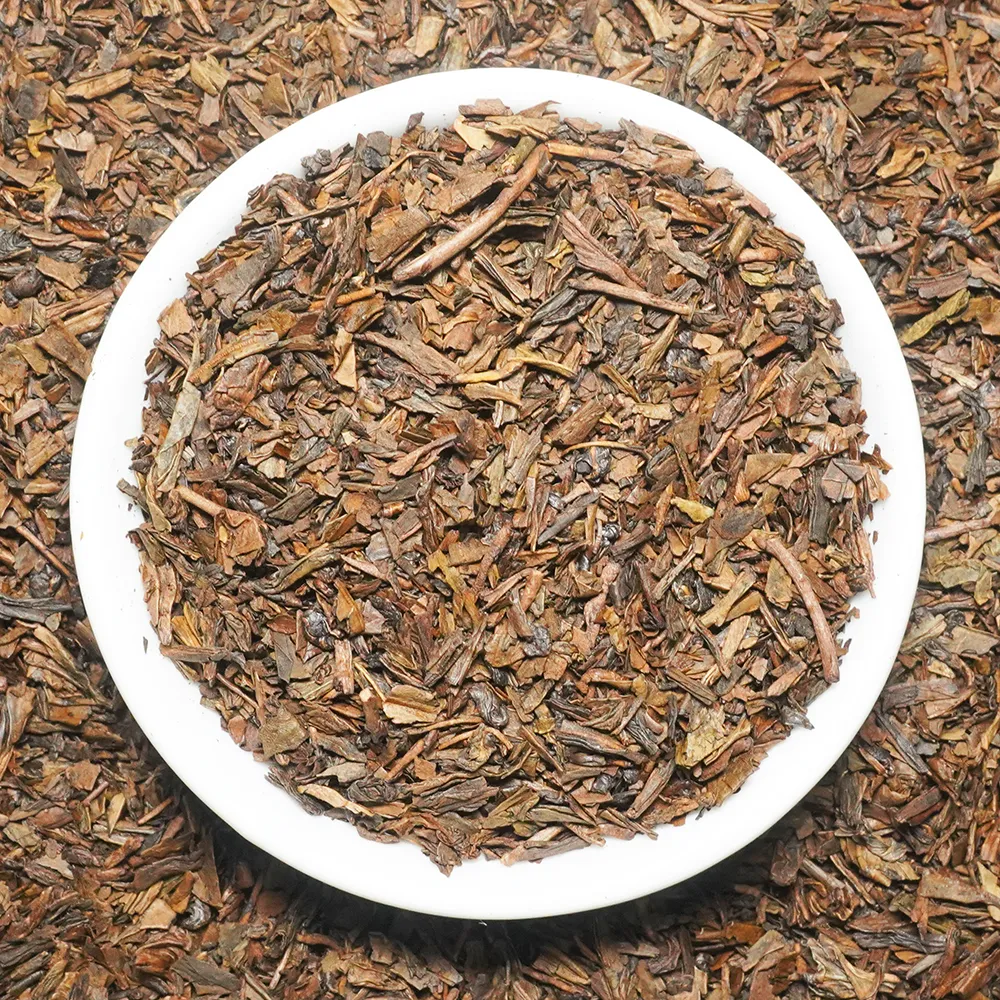
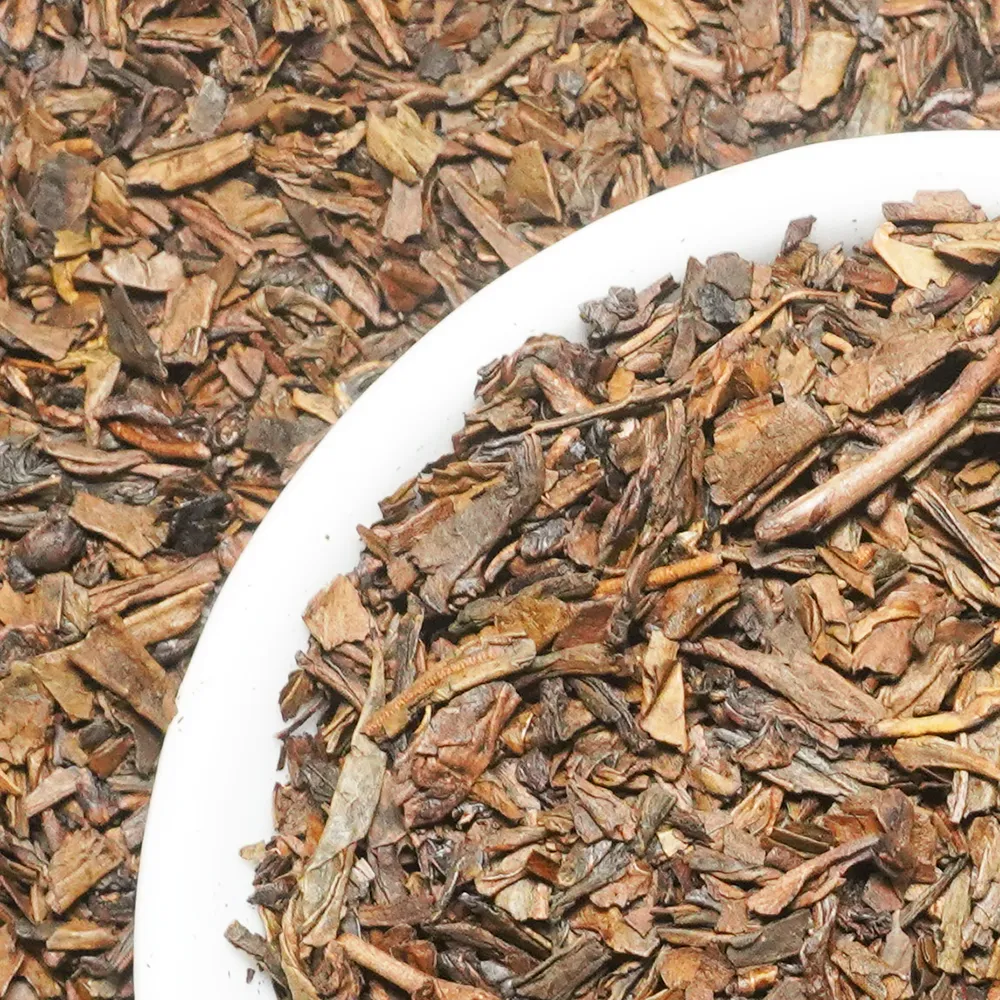
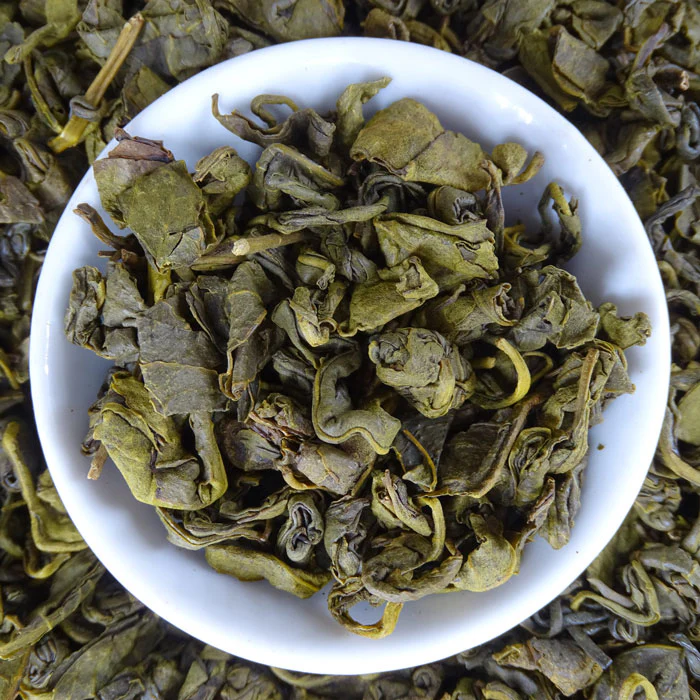
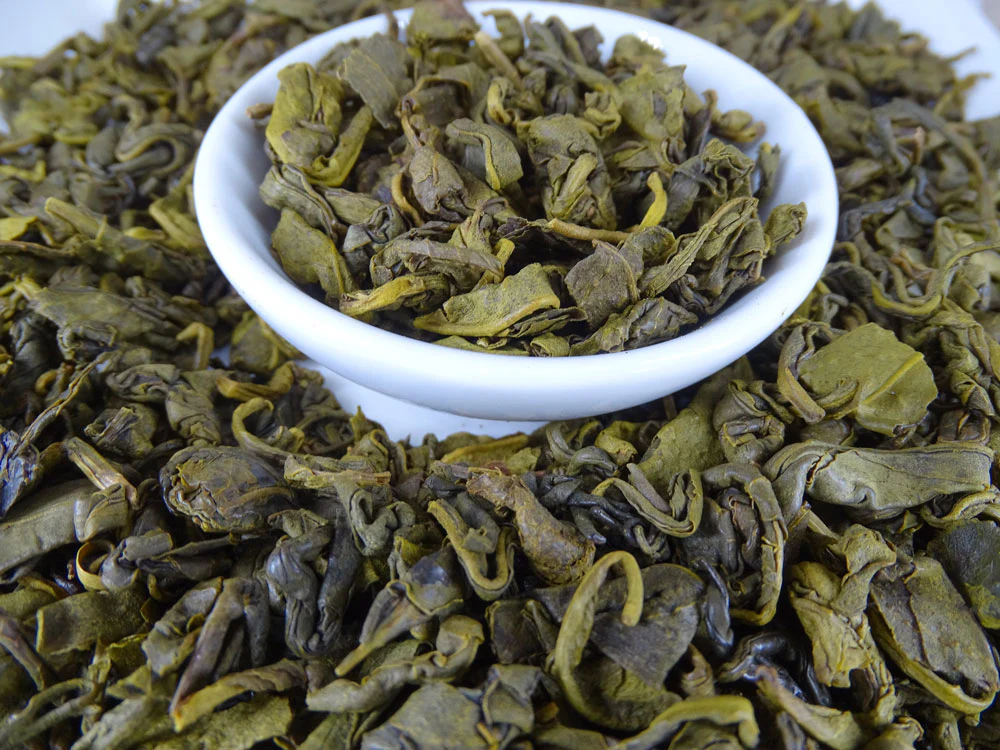
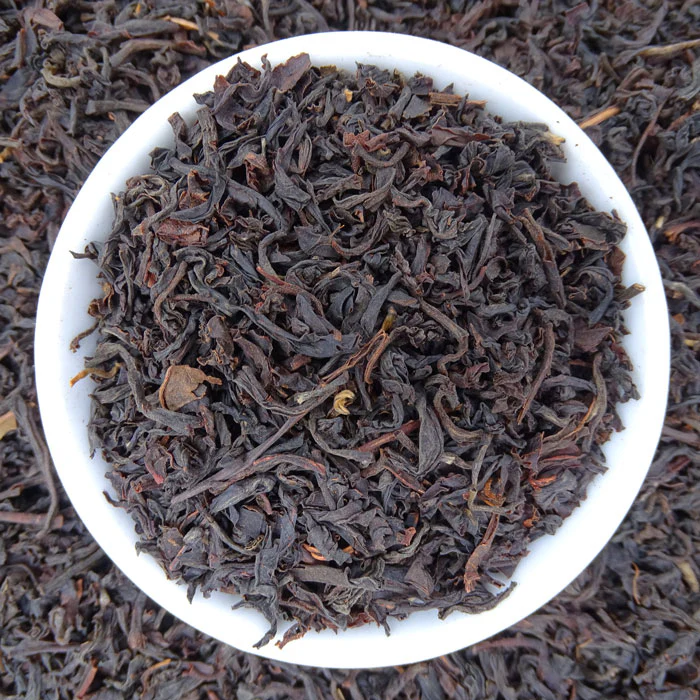
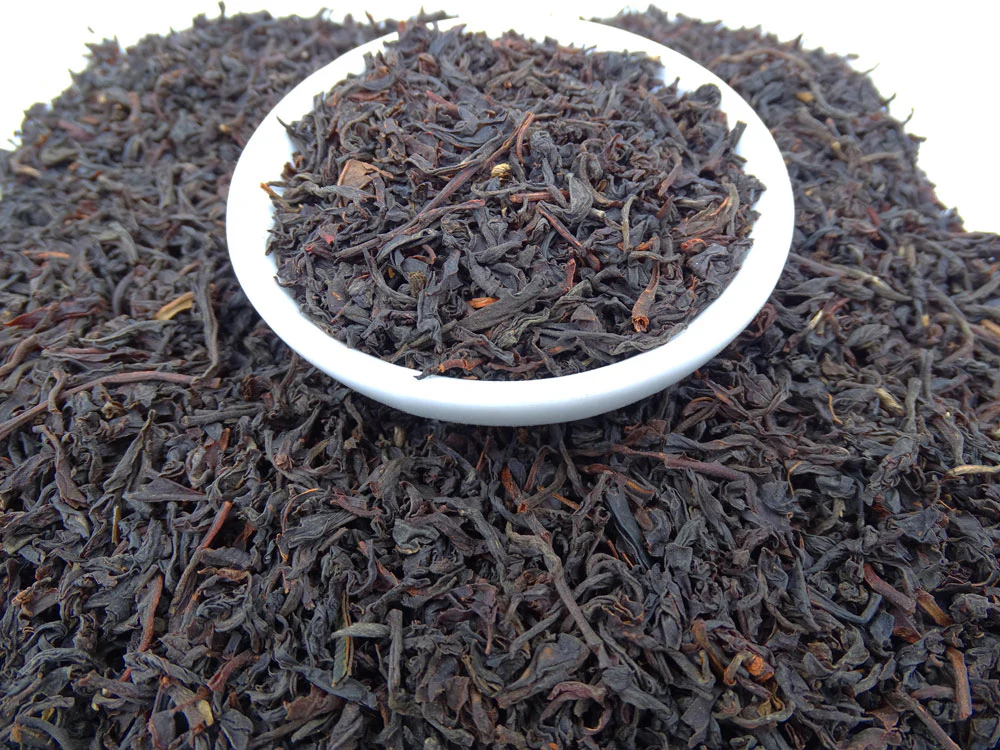
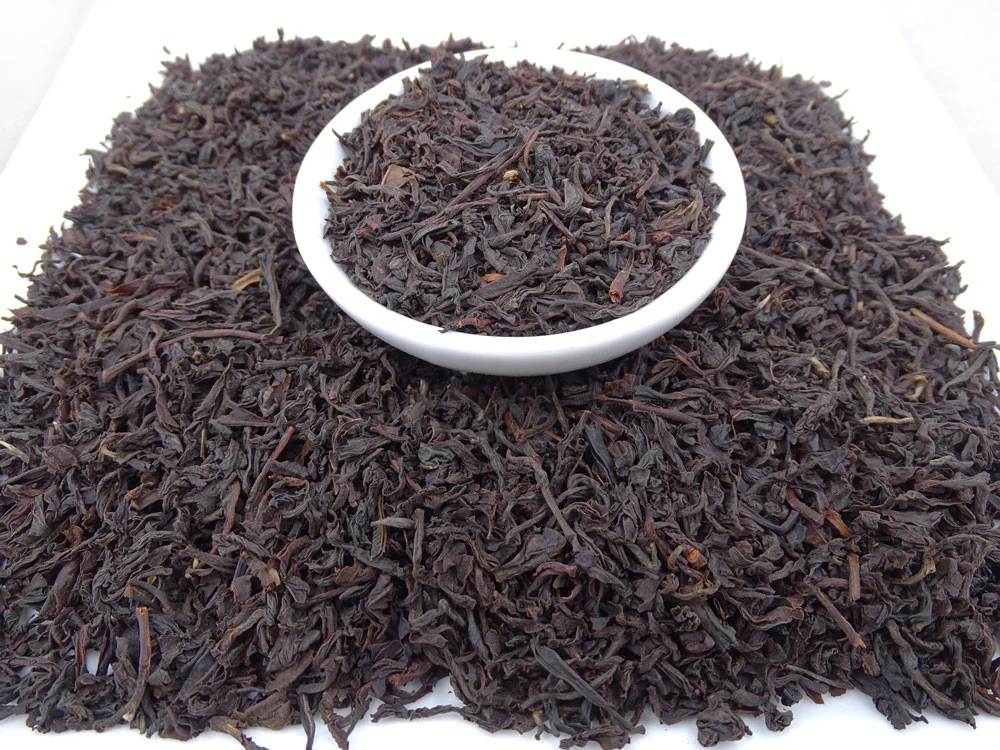
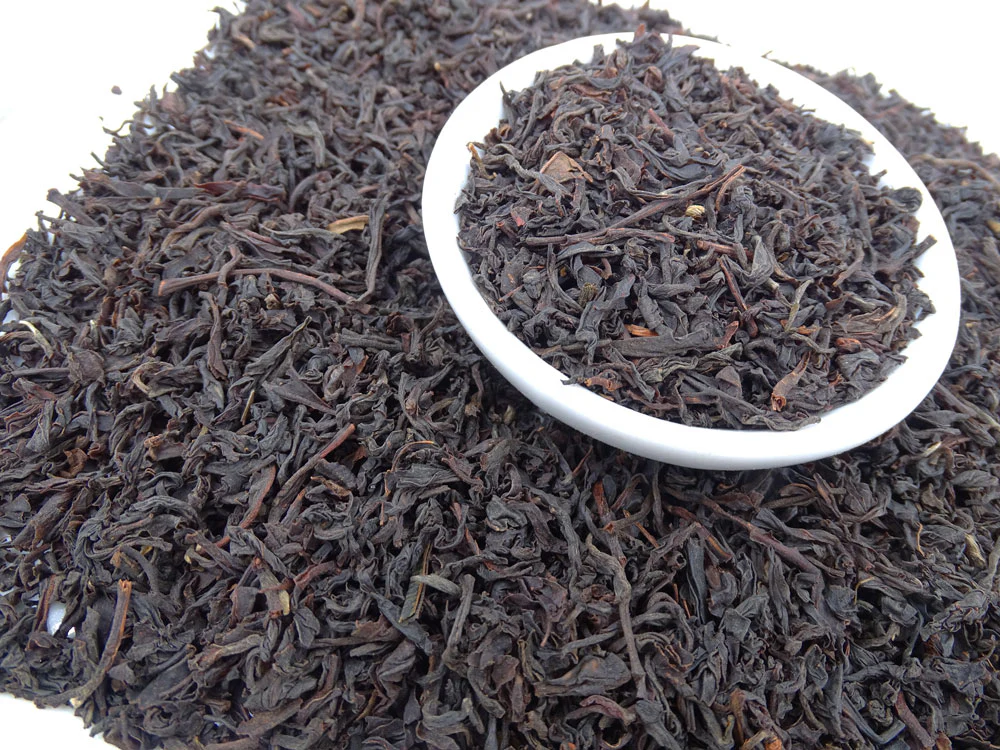
Breakfast is a strong, fast and "wake-up-able" black tea blend. It is traditionally made from large, fully oxidised leaves of Camellia sinense - often Assam, Ceylon &/or East African - and designed to cut through milk & stand food.
Expect copper liquor, malt depth and a dry, lively finish. That's the builder's brew - trust it: Easy to make, consistent across seasons & dial from smooth 'to punchy with a few tweaks of leaf and time'.
It's bright and toasty - brewed shorter; At one more minute it is rounder and more biscuity with tannins that love a splash of milk. Classically a breakfast companion, it's just as at home in the afternoon as an iced refresher or poured over ice for a crisp, tea-forward brew.
If you want an everyday black that tastes "properly like tea," English Breakfast is your standard bearer.
organically grown Sri Lanka
Flavour and Aroma
Malty, toasty with bright tannic lift. A little baked grain, light caramel & dried fruit; clean, coppery finish.
Ingredients
Black tea - blend of Camelia sinensis origin.
Botanical name
Black tea - Camelia sinensis.
Caffeine Level
Moderate (black tea).
How to brew
Western style - 2-3 g per 250 ml at 95-100 degC. Soak for 2 1 / 2 -3 1 / 2 minutes, then strain. Add milk if desired.
Gongfu style: 4-5g in 120-150 ml; 95 degC; infusion 20-25 sec, followed by 10-15 sec each round.
Iced/Cold brew - 8-10 g in 1 L. Cold steep 6-8 hours in fridge (or hot brew 3 minutes with flash chill), strain and cool.
When to drink
Morning with or without breakfast midday focus cup; Iced for a midday refresher.
Health benefits
Blood pressure & vascular markers (human trials): Long-term black tea intake has shown small but meaningful improvements in ambulatory blood-pressure measures and reduced BP variation in randomised controlled trials (≈3 cups/day over 6 months). Dose–response meta-analysis also reports modest BP benefits, particularly with longer durations. American Journal of Clinical NutritionRSC Publishing
Attention & alertness (tea’s caffeine + L-theanine): Recent systematic reviews of RCTs in healthy adults find that tea, theanine, or theanine-with-caffeine can acutely support attention and task performance (effects are modest and task-dependent). Oxford Academic
Lower mortality risk (observational): In the UK Biobank cohort (~498k adults), drinking ≥2 cups/day of tea—predominantly black—was associated with modestly lower all-cause and cardiovascular mortality over ~11 years (note: association ≠ causation). Europe PMCNational Institutes of Health (NIH)
Gut interaction (mechanistic): Black tea theaflavins are transformed by gut microbes into smaller metabolites, a pathway thought to contribute to systemic effects; recent reviews highlight emerging gut-health relevance. MDPIScienceDirect
Evidence generally refers to black tea; Specific outcomes depend on individual/brew strength.
Health-related notes (general)
Information here is general and should not replace personalised medical advice. You should speak to a medical professional if you have a health condition or take medications.
Cautionary
Contains caffeine; Unless you are sensitive, avoid late at night.
If needed - separate from iron rich meals - tea polyphenols may reduce non-haem iron absorption.
If you have reflux, use slightly cool water and shorter steeps. Seek medical advice in pregnancy or nursing, or if you have cardiovascular concerns or are on a medication affected by caffeine.
Storage and Shelf Life
Keep cool, out of light, heat and moisture. Best when opened within 24 months; For best aromatics, serve 12 months after opening.
Quick FAQs
What about milk?
Yes - Breakfast is blended with milk!
How strong should it be brewed?
Start 3 minutes; finish 3 minutes. Increase to 4 for extra body.
What does caffeine do compared to coffee?
Lower per cup generally; Several find it a smoother, steadier lift.
Good iced?
Cold brew is clean, malty and low on the bitterness scales - excellent.
May I add lemon?
If using citrus, skip the milk.
FAQ: Breakfast Tea.
Product Information
Product Information
Shipping & Returns
Shipping & Returns
Description
Breakfast is a strong, fast and "wake-up-able" black tea blend. It is traditionally made from large, fully oxidised leaves of Camellia sinense - often Assam, Ceylon &/or East African - and designed to cut through milk & stand food.
Expect copper liquor, malt depth and a dry, lively finish. That's the builder's brew - trust it: Easy to make, consistent across seasons & dial from smooth 'to punchy with a few tweaks of leaf and time'.
It's bright and toasty - brewed shorter; At one more minute it is rounder and more biscuity with tannins that love a splash of milk. Classically a breakfast companion, it's just as at home in the afternoon as an iced refresher or poured over ice for a crisp, tea-forward brew.
If you want an everyday black that tastes "properly like tea," English Breakfast is your standard bearer.
organically grown Sri Lanka
Flavour and Aroma
Malty, toasty with bright tannic lift. A little baked grain, light caramel & dried fruit; clean, coppery finish.
Ingredients
Black tea - blend of Camelia sinensis origin.
Botanical name
Black tea - Camelia sinensis.
Caffeine Level
Moderate (black tea).
How to brew
Western style - 2-3 g per 250 ml at 95-100 degC. Soak for 2 1 / 2 -3 1 / 2 minutes, then strain. Add milk if desired.
Gongfu style: 4-5g in 120-150 ml; 95 degC; infusion 20-25 sec, followed by 10-15 sec each round.
Iced/Cold brew - 8-10 g in 1 L. Cold steep 6-8 hours in fridge (or hot brew 3 minutes with flash chill), strain and cool.
When to drink
Morning with or without breakfast midday focus cup; Iced for a midday refresher.
Health benefits
Blood pressure & vascular markers (human trials): Long-term black tea intake has shown small but meaningful improvements in ambulatory blood-pressure measures and reduced BP variation in randomised controlled trials (≈3 cups/day over 6 months). Dose–response meta-analysis also reports modest BP benefits, particularly with longer durations. American Journal of Clinical NutritionRSC Publishing
Attention & alertness (tea’s caffeine + L-theanine): Recent systematic reviews of RCTs in healthy adults find that tea, theanine, or theanine-with-caffeine can acutely support attention and task performance (effects are modest and task-dependent). Oxford Academic
Lower mortality risk (observational): In the UK Biobank cohort (~498k adults), drinking ≥2 cups/day of tea—predominantly black—was associated with modestly lower all-cause and cardiovascular mortality over ~11 years (note: association ≠ causation). Europe PMCNational Institutes of Health (NIH)
Gut interaction (mechanistic): Black tea theaflavins are transformed by gut microbes into smaller metabolites, a pathway thought to contribute to systemic effects; recent reviews highlight emerging gut-health relevance. MDPIScienceDirect
Evidence generally refers to black tea; Specific outcomes depend on individual/brew strength.
Health-related notes (general)
Information here is general and should not replace personalised medical advice. You should speak to a medical professional if you have a health condition or take medications.
Cautionary
Contains caffeine; Unless you are sensitive, avoid late at night.
If needed - separate from iron rich meals - tea polyphenols may reduce non-haem iron absorption.
If you have reflux, use slightly cool water and shorter steeps. Seek medical advice in pregnancy or nursing, or if you have cardiovascular concerns or are on a medication affected by caffeine.
Storage and Shelf Life
Keep cool, out of light, heat and moisture. Best when opened within 24 months; For best aromatics, serve 12 months after opening.
Quick FAQs
What about milk?
Yes - Breakfast is blended with milk!
How strong should it be brewed?
Start 3 minutes; finish 3 minutes. Increase to 4 for extra body.
What does caffeine do compared to coffee?
Lower per cup generally; Several find it a smoother, steadier lift.
Good iced?
Cold brew is clean, malty and low on the bitterness scales - excellent.
May I add lemon?
If using citrus, skip the milk.
FAQ: Breakfast Tea.