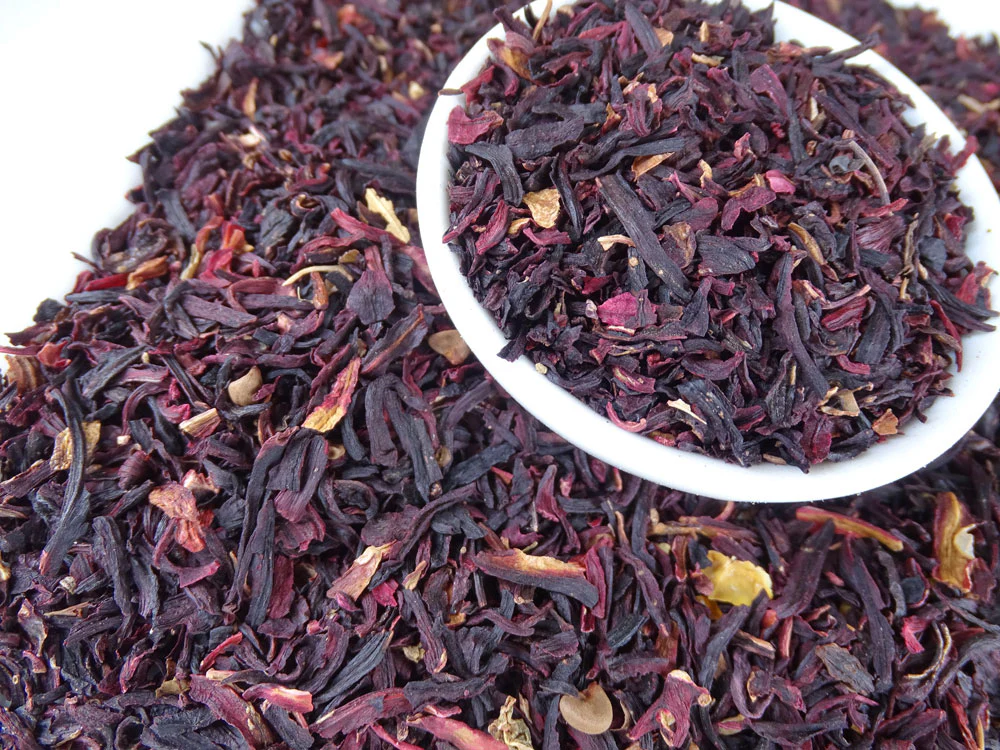
Hibiscus Tea
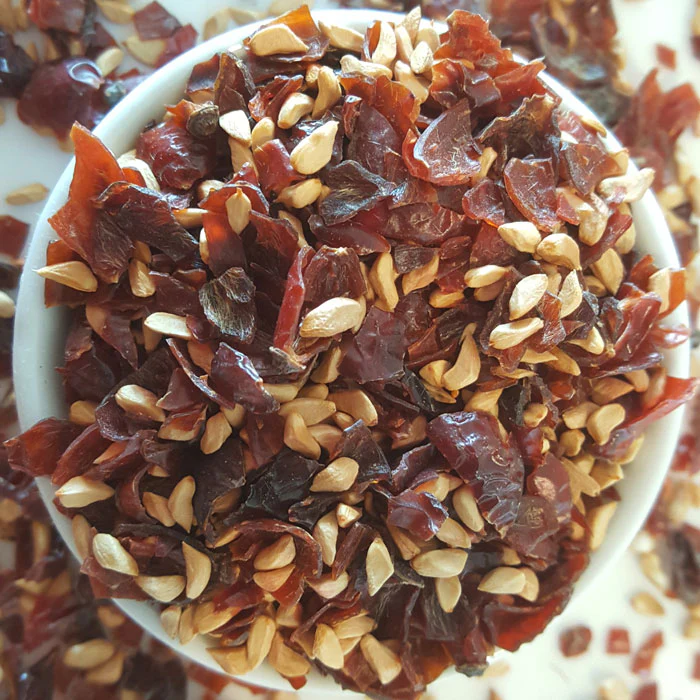
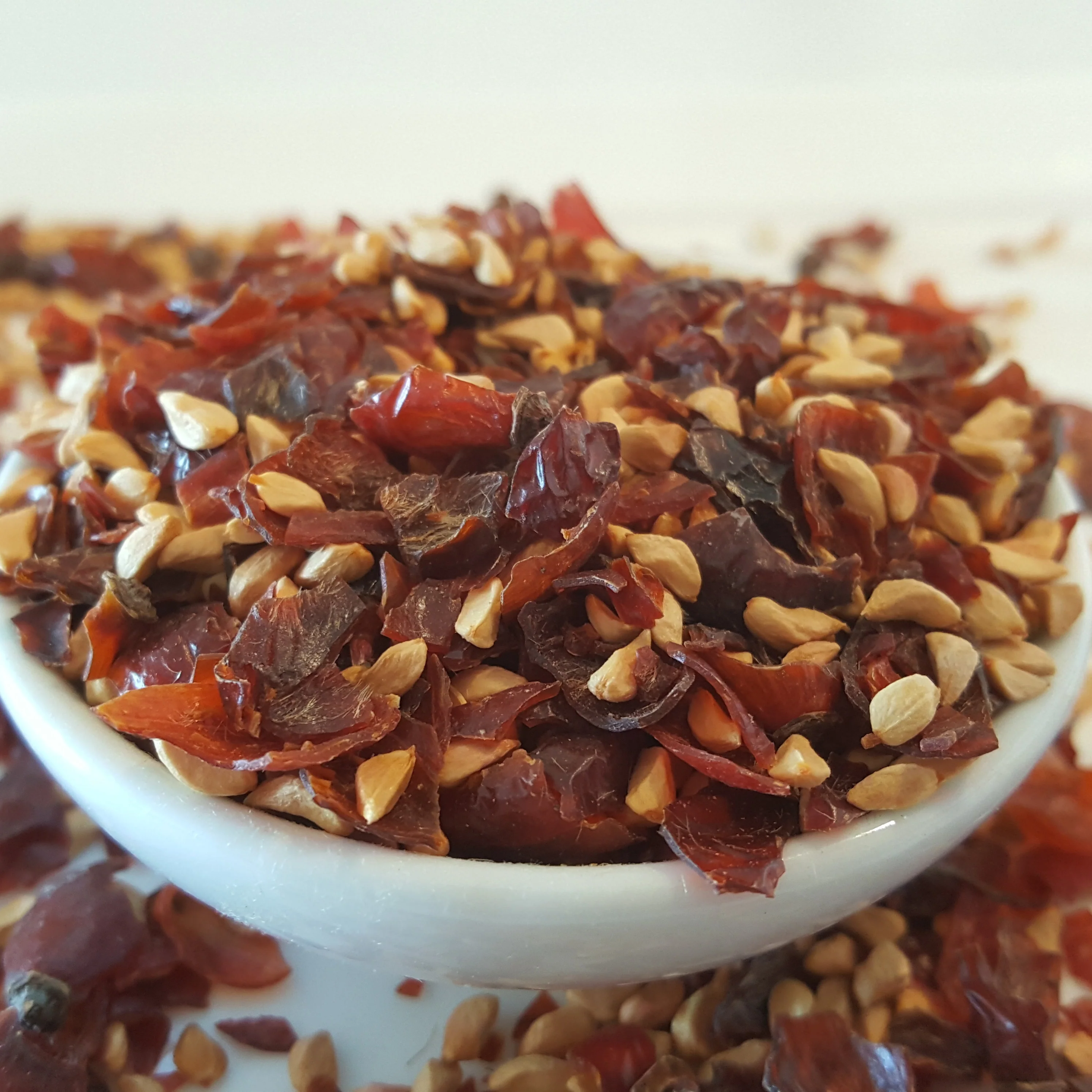
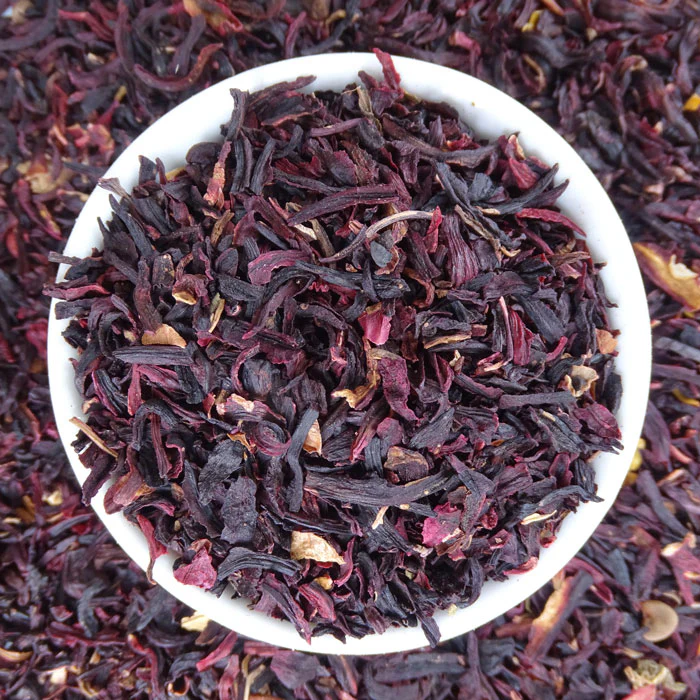
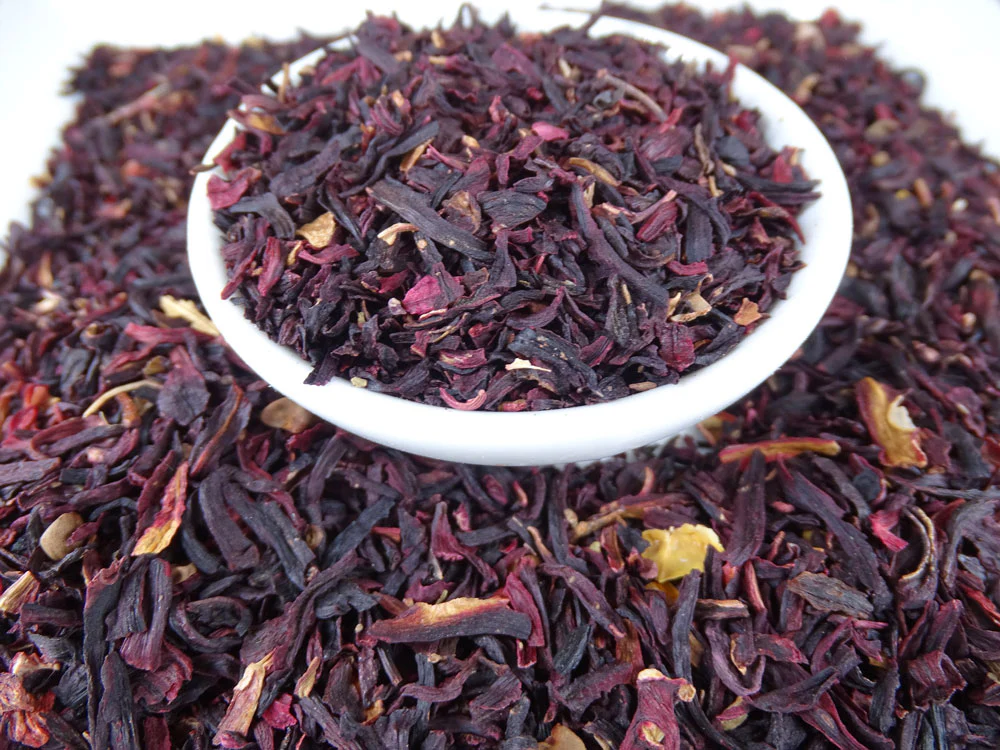
Hibiscus tea is an intense ruby red infusion of the dried calyces, or fleshy flower cups of the roselle.
It has no caffeine like black or green tea and is prized for its clean, cranberry tartness that is light rather than heavy. A good hibiscus balances zingy acids with soft berry notes for a refreshing cup that shines hot and iced.
And in many cuisines it is also used as table drink - agua de Jamaica or karkade - because it goes well with food and with dilution it does not lose its character.
Make it short and enjoy a refreshing sip; extend the time and you'll get deeper colour, juicier red-fruit tones and a lightly floral lift. Cold-brewing removes the tang and edges that make this a summer staple.
Hibiscus is also a kitchen staple - beyond straight cups: spritz in sorbets & syrups or mix with mint, ginger &/or citrus peel for sparkle. If your brief is bold colour, clean flavour, zero caffeine - hibiscus is an expressive, modern nose that's just as at home in the teapot as it is in the carafe - refreshing, versatile and reliably crowd-pleaser.
To learn more, about the advantages of Hibiscus Tea kindly refer to our article available here.
organically grown Egypt
Flavour and Aroma
Aroma: Red berries, tart cherry & light florals.
Taste: CRANBERRY/POMEgranATE THICKNESS, BITTER berry SCENT, CLEAR finish.
Body: light-medium, juicy
Bitterness/astringency: low; Acidity provides most of the bite!
Ingredients
Hives calyces - 100% dried roselle.
Botanical name: Hibiscus sabdariffa L.
Caffeine level
None (caffeine-free).
How to brew
Western style (mug/pot)
2-3 g per 250 ml.
95-100 degC water
5-7 minutes, covered; strain
Re-steep: once; add 2-3 minutes
Gongfu style (optional/unorthodox):
7 to 10 g per 100-120 ml.
95 degC water
The first infusion should be 10-15 sec; gradually increase to 5-6 rounds (spice-dense):
Iced / cold brew
5-8 g/L cold filtered water.
Refrigerate 6-8 hrs; strain - naturally sweet & clean.
When to drink
All day - good in a pitcher chilled with meals or hot after dinner for a refreshing drink without caffeine.
Health benefits
Blood-pressure support (modest): Randomised trials and meta-analyses find small reductions in systolic/diastolic BP from regular hibiscus beverages. Oxford AcademicEurope PMC
Cardiometabolic markers: A 2022 systematic review reports favourable effects across cardiovascular risk markers, with the most consistent signal for BP.
Polyphenols & anthocyanins: Roselle calyces are rich in anthocyanins (e.g., delphinidin/cyanidin sambubiosides) that contribute to antioxidant capacity.
Example RCT (dose context): In a double-blind trial (n=65), three 240-mL cups/day for 6 weeks lowered systolic BP by ~7 mmHg versus placebo. Europe PMC
Health-related notes (general)
Enjoy as a part of a healthy diet and regular hydration. You may be sensitive to acidic drinks - try cold brew or shorter steeps for a more delicate cup.
Cautionary
Naturally acidic - can irritate reflux or sensitive teeth; Shorter steeps or food along might help.
Medicines for blood pressure/diabetes: Hibiscus may amplify BP-or glucose-lowering effects - consult a personalised doctor if taking related meds.
Pregnancy and breastfeeding: Use sparingly if prescribed by a health professional - caution is standard - because of the low data.
Unusual symptoms should be discontinued. Keep out of reach of kids.
Storage and Shelf Life
Keep cool, dark and dry. Best for colour and aroma within 12-18 months.
Quick FAQs
Is it caffeine-free?
This is hibiscus - a herbal infusion without caffeine - yes!
But why is it so tart?
The clean cranberry snap is due to organic acids (hibiscus & citric acids); Cold brew softens.
Will it stain?
Teaware can be washed immediately in cold water and light fabrics should be minded.
May I sweeten it?
Totally optional. A dash of sugar or honey balances the tang - especially in iced versions.
Original: $852.29
-70%$852.29
$255.69Product Information
Product Information
Shipping & Returns
Shipping & Returns
Description
Hibiscus tea is an intense ruby red infusion of the dried calyces, or fleshy flower cups of the roselle.
It has no caffeine like black or green tea and is prized for its clean, cranberry tartness that is light rather than heavy. A good hibiscus balances zingy acids with soft berry notes for a refreshing cup that shines hot and iced.
And in many cuisines it is also used as table drink - agua de Jamaica or karkade - because it goes well with food and with dilution it does not lose its character.
Make it short and enjoy a refreshing sip; extend the time and you'll get deeper colour, juicier red-fruit tones and a lightly floral lift. Cold-brewing removes the tang and edges that make this a summer staple.
Hibiscus is also a kitchen staple - beyond straight cups: spritz in sorbets & syrups or mix with mint, ginger &/or citrus peel for sparkle. If your brief is bold colour, clean flavour, zero caffeine - hibiscus is an expressive, modern nose that's just as at home in the teapot as it is in the carafe - refreshing, versatile and reliably crowd-pleaser.
To learn more, about the advantages of Hibiscus Tea kindly refer to our article available here.
organically grown Egypt
Flavour and Aroma
Aroma: Red berries, tart cherry & light florals.
Taste: CRANBERRY/POMEgranATE THICKNESS, BITTER berry SCENT, CLEAR finish.
Body: light-medium, juicy
Bitterness/astringency: low; Acidity provides most of the bite!
Ingredients
Hives calyces - 100% dried roselle.
Botanical name: Hibiscus sabdariffa L.
Caffeine level
None (caffeine-free).
How to brew
Western style (mug/pot)
2-3 g per 250 ml.
95-100 degC water
5-7 minutes, covered; strain
Re-steep: once; add 2-3 minutes
Gongfu style (optional/unorthodox):
7 to 10 g per 100-120 ml.
95 degC water
The first infusion should be 10-15 sec; gradually increase to 5-6 rounds (spice-dense):
Iced / cold brew
5-8 g/L cold filtered water.
Refrigerate 6-8 hrs; strain - naturally sweet & clean.
When to drink
All day - good in a pitcher chilled with meals or hot after dinner for a refreshing drink without caffeine.
Health benefits
Blood-pressure support (modest): Randomised trials and meta-analyses find small reductions in systolic/diastolic BP from regular hibiscus beverages. Oxford AcademicEurope PMC
Cardiometabolic markers: A 2022 systematic review reports favourable effects across cardiovascular risk markers, with the most consistent signal for BP.
Polyphenols & anthocyanins: Roselle calyces are rich in anthocyanins (e.g., delphinidin/cyanidin sambubiosides) that contribute to antioxidant capacity.
Example RCT (dose context): In a double-blind trial (n=65), three 240-mL cups/day for 6 weeks lowered systolic BP by ~7 mmHg versus placebo. Europe PMC
Health-related notes (general)
Enjoy as a part of a healthy diet and regular hydration. You may be sensitive to acidic drinks - try cold brew or shorter steeps for a more delicate cup.
Cautionary
Naturally acidic - can irritate reflux or sensitive teeth; Shorter steeps or food along might help.
Medicines for blood pressure/diabetes: Hibiscus may amplify BP-or glucose-lowering effects - consult a personalised doctor if taking related meds.
Pregnancy and breastfeeding: Use sparingly if prescribed by a health professional - caution is standard - because of the low data.
Unusual symptoms should be discontinued. Keep out of reach of kids.
Storage and Shelf Life
Keep cool, dark and dry. Best for colour and aroma within 12-18 months.
Quick FAQs
Is it caffeine-free?
This is hibiscus - a herbal infusion without caffeine - yes!
But why is it so tart?
The clean cranberry snap is due to organic acids (hibiscus & citric acids); Cold brew softens.
Will it stain?
Teaware can be washed immediately in cold water and light fabrics should be minded.
May I sweeten it?
Totally optional. A dash of sugar or honey balances the tang - especially in iced versions.